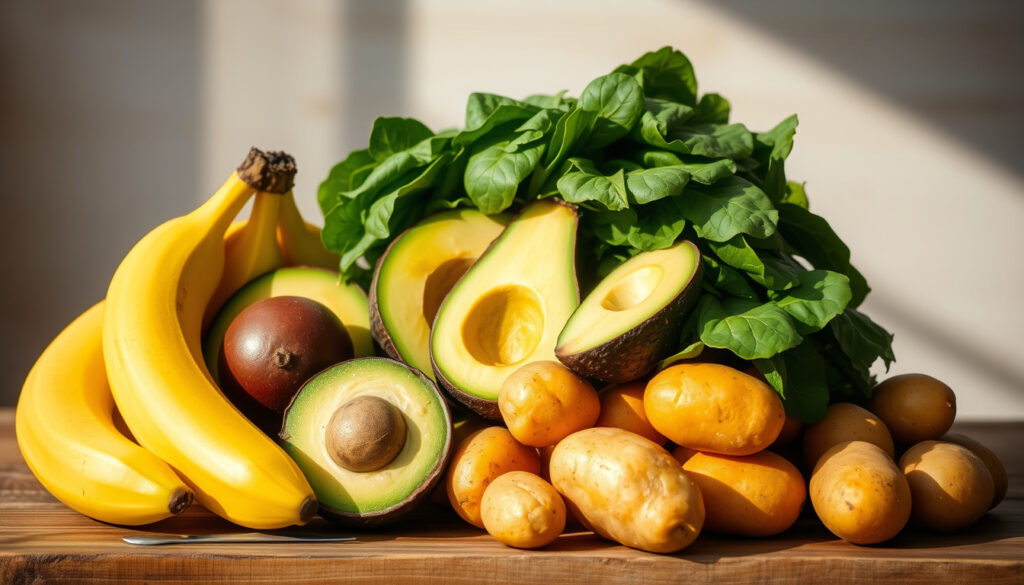
Foods High in Potassium – Top 20 Sources Ranked by mg
Foods High in Potassium: Top Sources Ranked by mg per Serving
Potassium is an essential mineral that supports muscle function, nerve transmission, and blood pressure regulation. Yet many people fall short of optimal intake levels. Understanding which foods deliver the most potassium per serving makes it easier to build balanced, nutrient-rich meals without relying on supplements.
Leafy greens, legumes, certain fish, and root vegetables consistently rank among the most potassium-dense options available. Incorporating a variety of these foods into daily eating patterns can help individuals meet their nutritional needs while enjoying diverse flavors and textures.
This guide presents the highest potassium foods organized by category, with precise milligram amounts per serving. Whether someone is managing blood pressure, supporting athletic recovery, or simply looking to improve overall dietary quality, the information below offers a practical starting point.
What Foods Are High in Potassium?
Identifying potassium-rich foods requires more than knowing a food’s reputation. Scientific measurements reveal that some surprising options contain far more potassium than commonly believed. The following overview presents verified data from established nutritional databases.
Quick-Reference Overview
919 mg
1 medium potato
502 mg
½ cup cooked
839 mg
1 cup cooked
763 mg
1 small fillet
Key Facts About Potassium in Food
- Cooked beet greens deliver 1,309 mg of potassium per cup, making them the highest ranked food in most databases.
- Bananas contain approximately 451 mg per medium fruit, yet they are frequently cited as the top potassium source—a claim that data does not support.
- Lima beans provide 969 mg per cooked cup, combining protein and potassium in one serving.
- Keeping potato skins intact preserves the majority of a potato’s potassium content.
- Boiling vegetables can significantly reduce their potassium content, so steaming or baking may be preferable preparation methods.
- Halibut, mackerel, rainbow trout, and salmon each supply over 400 mg per 3-ounce fillet.
- Dried fruits such as raisins, prunes, and figs offer concentrated potassium in small serving sizes.
Snapshot: Potassium Facts
| Category | Key Information |
|---|---|
| Optimal Daily Intake | 2,600–3,400 mg for most adults (varies by age and gender) |
| Deficiency Signs | Muscle weakness, fatigue, irregular heartbeat, high blood pressure |
| Upper Limit | No established upper limit from food alone; supplements carry risk |
| Key Function | Balances sodium effects, supports muscle contractions and nerve signaling |
Which Food Has the Most Potassium?
While popular belief often points to bananas, the data tells a different story. Leafy greens and legumes consistently outperform fruit options when measuring milligram content per serving. Understanding the rankings helps consumers make informed choices rather than relying on marketing myths.
Top 20 Highest Potassium Foods
| Food | Serving Size | Potassium (mg) |
|---|---|---|
| Beet greens, cooked | 1 cup | 1,309 |
| Clams, small | 20 clams | 1,193 |
| Lima beans, cooked | 1 cup | 969 |
| Swiss chard, cooked | 1 cup | 961 |
| Baked potato with skin | 1 medium | 919 |
| Acorn squash, cooked | ½ cup | 896 |
| Salmon, fresh baked | 1 small fillet | 763 |
| Plantains | 1 cup | 663 |
| Adzuki beans, cooked | ½ cup | 612 |
| Spinach, cooked | ½ cup | 591 |
| Butternut squash, cooked | ½ cup | 582 |
| Portobello mushrooms, cooked | 1 cup | 529 |
| Haddock, cooked | 1 fillet | 526 |
| Pumpkin, canned | 1 cup | 505 |
| White beans, cooked | ½ cup | 502 |
| Winter squash, cooked | ½ cup | 494 |
| Halibut, cooked | 3 ounces | 490 |
| Cantaloupe, raw | 1 cup | 417 |
| Pinto beans, cooked | ½ cup | 373 |
Despite their reputation, bananas ranked 20th or lower in potassium content across standardized food databases. The banana-as-potassium-source myth likely persists because they are widely available, portable, and marketed early in nutrition education.
Which Fruits and Vegetables Are Highest in Potassium?
Fruits and vegetables contribute substantial amounts of potassium, but individual choices matter significantly. Some options deliver four times more potassium than others per equivalent serving size.
Fruits With the Most Potassium
Bananas often dominate conversations about potassium-rich fruit, yet apricots, dates, and kiwis frequently provide more concentrated amounts. A single serving of certain dried fruits offers exceptional value.
- Dried apricots deliver 250–500 mg per 3 fruits.
- Five Medjool dates provide approximately 250–500 mg of potassium.
- Raisins supply 270 mg per quarter-cup serving.
- Prunes and figs function as portable, shelf-stable options with substantial potassium density.
- Oranges, nectarines, peaches, and kiwis offer moderate amounts ranging from 200–300 mg per fruit or cup serving.
- One cup of cantaloupe contains 417 mg of potassium.
Dried fruits concentrate nutrients into smaller volumes, meaning potassium density increases as water content decreases. However, portion control becomes important due to calorie density and natural sugar concentration.
Vegetables With the Most Potassium
Potatoes, squash varieties, and leafy greens lead the vegetable category by a significant margin. Choosing the right preparation method helps preserve mineral content.
- A medium baked potato with skin intact delivers over 900 mg of potassium.
- Acorn squash provides 896 mg per half-cup cooked portion.
- Swiss chard and beet greens each exceed 900 mg per cooked cup.
- Artichokes contribute 345 mg per medium cooked vegetable.
- Broccoli, peas, zucchini, and mushrooms round out the middle tier with moderate amounts.
- Avocados contain significant potassium in quarter-fruit servings.
Boiling vegetables in water can leach potassium into the cooking liquid, reducing the final content consumed. Steaming, baking, or microwaving with minimal water helps retain more minerals.
What Is the Daily Potassium Requirement?
Daily potassium needs vary based on age, gender, activity level, and individual health circumstances. While no universally mandated Recommended Daily Allowance exists, major health organizations provide general guidelines for adequate intake.
According to the National Institutes of Health, adults should aim for approximately 2,600 to 3,400 mg of potassium daily from food sources. Athletes, individuals with certain medical conditions, and those taking diuretic medications may require different amounts under medical supervision.
The American Heart Association emphasizes the balance between potassium and sodium intake, noting that most Western diets deliver excess sodium and insufficient potassium. Shifting this ratio supports cardiovascular health outcomes.
What Are the Benefits of Eating Potassium-Rich Foods?
Potassium serves as an essential electrolyte that maintains cellular function throughout the body. Its most significant roles involve supporting muscle contractions, regulating heartbeat rhythm, and controlling fluid balance within and around cells.
Blood Pressure Management
Research consistently demonstrates that potassium helps counterbalance sodium’s effects on blood pressure. The Harvard School of Public Health notes that adequate potassium intake promotes healthy blood pressure levels, particularly when paired with reduced sodium consumption. This relationship makes potassium-rich foods valuable for individuals managing hypertension.
Cardiovascular Health
Beyond blood pressure, potassium supports overall heart function and reduces stroke risk in some populations. The Mayo Clinic highlights that potassium-rich diets correlate with improved cardiovascular outcomes, especially when dietary patterns emphasize whole foods over processed options.
Choosing fish rich in omega-3 fatty acids and low in mercury, such as wild-caught salmon, combines potassium benefits with anti-inflammatory properties. Cleveland Clinic recommendations support this approach for comprehensive heart health support. Choosing fish rich in omega-3 fatty acids and low in mercury, such as wild-caught salmon, combines potassium benefits with anti-inflammatory properties, and for more information on potassium-rich foods, check out this 1 inch to cm conversion.
Muscle and Nerve Function
Potassium works alongside sodium and magnesium to generate nerve impulses and trigger muscle contractions. Athletes and individuals experiencing muscle cramps may benefit from examining their potassium intake alongside hydration status and mineral balance.
“Potassium helps control blood pressure and fluid balance in the body’s cells.” — National Institutes of Health
While potassium from food sources carries minimal risk for healthy individuals, those with kidney conditions should consult healthcare providers before making significant dietary changes. The American Kidney Fund provides specific guidance for populations requiring potassium monitoring.
Establishing the Facts: What Science Confirms
Nutritional science has established clear patterns regarding potassium content in various foods, though some areas require individual assessment.
| Established Information | Requires Individual Assessment |
|---|---|
| Beet greens, lima beans, and Swiss chard rank among the highest potassium foods per serving. | Personal daily requirements vary based on health status and medication use. |
| Potatoes retain more potassium when prepared with skins intact. | Optimal cooking methods depend on individual digestive tolerance and preferences. |
| Bananas contain less potassium than commonly assumed relative to other foods. | Whether potassium supplementation is necessary requires medical evaluation. |
| Boiling reduces potassium content in vegetables compared to steaming or baking. | Specific intake targets for managing existing conditions require professional guidance. |
Putting This Information to Use
Building a diet around potassium-rich whole foods involves practical strategies that fit real lifestyles. Prioritizing leafy greens, legumes, root vegetables, and certain fish provides a foundation for meeting daily needs without constant calculation.
Preparing potatoes with their skins, incorporating beans into soups and salads, and keeping dried fruits on hand for portable snacks represent straightforward adjustments. Those interested in tracking intake may find mobile applications helpful for monitoring patterns over time.
As with any significant dietary change, individuals with existing health conditions should discuss their nutritional plans with qualified healthcare providers. Understanding personal potassium needs makes it possible to tailor these recommendations appropriately.
For guidance on other nutritional topics, explore our article on can dogs eat coconut for pet-related dietary information, or review our amoxicillin 500mg dosage for adults for medication-related guidance.
Frequently Asked Questions
Are eggs high in potassium?
Eggs contain moderate amounts of potassium, approximately 60–70 mg per large egg. They are not considered a high-potassium food compared to leafy greens, legumes, or fish options.
What vegetables have the most potassium?
Cooked beet greens lead with over 1,300 mg per cup, followed by Swiss chard, potatoes with skin, and acorn squash. Leafy greens and root vegetables generally outperform other vegetable categories.
Can you get too much potassium from food?
Obtaining excess potassium from whole foods alone is uncommon for healthy individuals with normal kidney function. However, those with kidney disease, Addison’s disease, or taking certain medications face higher risk and should seek personalized advice.
How much potassium is in a banana compared to other fruits?
A medium banana provides approximately 451 mg of potassium, while a cup of cantaloupe delivers 417 mg, and dried apricots offer 250–500 mg in just a few pieces. Bananas rank lower than several other fruit options.
Are avocados high in potassium?
Avocados contain significant potassium, with a quarter of a medium fruit providing a meaningful portion of daily needs. They also supply heart-healthy fats, making them a nutritious addition to potassium-focused eating patterns.
Does cooking affect potassium content?
Yes. Boiling leaches potassium into water, reducing the amount retained in the food itself. Steaming, baking, roasting, or microwaving with minimal liquid preserves more of the mineral content.
What fish are highest in potassium?
Salmon provides approximately 763 mg per small fillet. Halibut, mackerel, rainbow trout, red snapper, and skipjack tuna each exceed 400 mg per 3-ounce serving, making fish a strong category for potassium intake.
More related posts
 How to Write a CV – Step-by-Step Guide with UK Examples
 Glasgow Christmas Market 2025 – Dates, Tickets, Times and Locations
 Elba Castillo San Jorge & Antigua Suite Hotel Review
 Skoda Yeti for Sale in Ireland | 38 Listings on DoneDeal
 F1 Race Calendar 2025 – Full Schedule and Key Dates
 When Did WW2 End? Date of German and Japane e Surrender
 Can a Pharmacist Prescribe Antibiotics – Rules by Country and State
 Jake Wood Net Worth, EastEnders Return & Biography