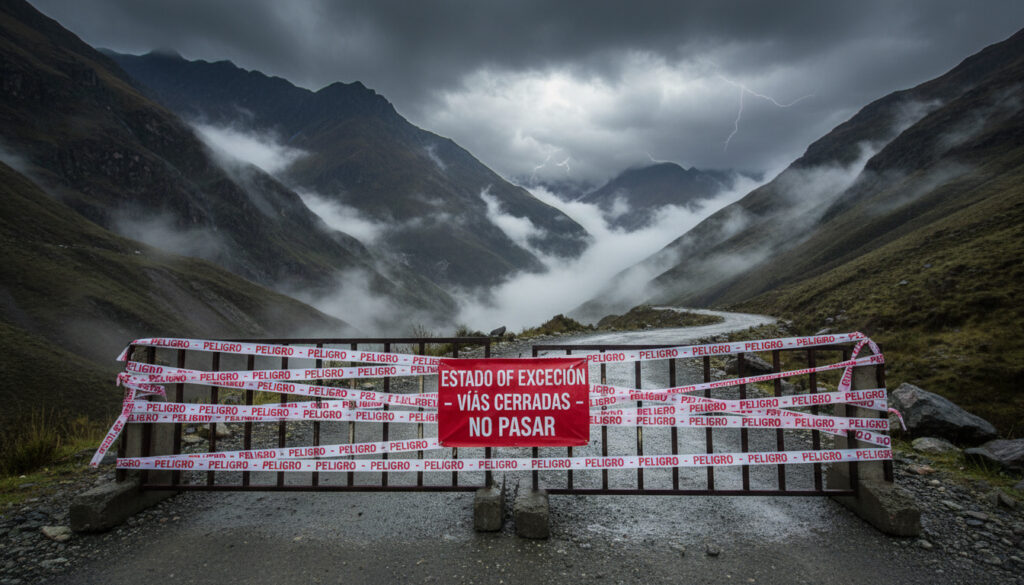
Ecuador State of Emergency Travel Warning – Safety Risks and Tips
Ecuador remains under an active nationwide state of emergency following a dramatic escalation of gang violence that began in January 2024. The crisis, triggered by the prison escape of a notorious cartel leader, has prompted severe travel warnings from major foreign governments and fundamentally altered the security landscape for visitors.
President Daniel Noboa’s administration declared an internal armed conflict, deploying military forces against designated terrorist organizations and imposing curfews that continue to affect daily life. While murder rates have halved and thousands have been arrested, the situation remains volatile with persistent risks of kidnapping, civil unrest, and explosive violence in major population centers.
Travelers considering John Lewis Travel Money – Rates, Fees and Ordering Guide for upcoming trips should first review current security conditions and entry requirements.
What is the current travel advisory for Ecuador?
Active since January 8, 2024; extended multiple times with modified canton-specific curfews
US Level 2 nationwide; critical crime threat levels in Quito and Guayaquil
Organized gang violence, prison riots, and targeted attacks on infrastructure
Heightened military presence; mandatory curfews in high-risk zones
- US State Department: Maintains Level 2 (Exercise Increased Caution) for Ecuador overall, with specific warnings that Quito and Guayaquil face critical crime threat levels and high political violence risks.
- UK FCDO: Aligns with US assessments, advising against all but essential travel to specific regions and warning of gang attacks and civil disorder.
- Australian Government: Smartraveller lists Ecuador with elevated risk ratings due to violent crime and kidnapping potential in major cities.
- Curfew Enforcement: Initial nationwide curfew (11 p.m. to 5 a.m.) has shifted to canton-specific timings based on gang activity levels.
- Military Deployment: Over 11,700 arrests made since January 2024 as security forces target 22 designated terrorist organizations.
- Violence Reduction: Daily murder rates dropped from 24 to 12 by March 2024, though gangs retain nationwide attack capabilities.
| Fact | Details | Source Type |
|---|---|---|
| Declaration Date | January 8, 2024 | US Embassy |
| Legal Classification | Internal Armed Conflict | Wikipedia |
| Initial Duration | 60 days with nationwide curfew | SafeAbroad Report |
| First Extension | March 8, 2024 (additional 30 days) | Wikipedia |
| Arrests | 11,700+ (as of March 2024) | SafeAbroad Report |
| Gangs Designated | 22 terrorist organizations | OSAC |
| Current US Level | Level 2 (Reconsider Travel for Crime) | State Department |
| UK Advice | Essential travel only to affected regions | UK FCDO |
Why was a state of emergency declared in Ecuador?
The emergency measures followed the escape of José “Fito” Adolfo Macías Villamar, leader of the Los Choneros cartel, from a maximum-security prison in Guayaquil on January 7, 2024. The breakout triggered coordinated prison riots across multiple facilities and violent attacks on civilian infrastructure, including the armed takeover of a television studio in Guayaquil where masked gunmen held journalists hostage.
What caused the violence leading to Ecuador’s emergency?
President Noboa reclassified the internal security crisis as an “internal armed conflict,” a constitutional designation allowing military deployment against non-state actors. This legal framework enabled the government to suspend certain rights, including freedom of assembly, and impose strict curfews. The classification placed 22 criminal gangs, including Los Choneros and Los Lobos, under terrorism statutes, significantly expanding military jurisdiction over civilian law enforcement.
The emergency began after José “Fito” Adolfo Macías Villamar, leader of the Los Choneros cartel, escaped from a maximum-security prison on January 7, 2024, prompting immediate coordinated violence across multiple cities including prison riots and infrastructure attacks.
Ecuador prison riots travel impact
The prison system crisis directly affected transportation and public safety. On January 9, 2024, gang members threatened “war” against the government, leading to explosive devices detonated near government buildings and the suspension of school classes nationwide. By January 13, security forces had freed all 178 prison staff held hostage by inmates, but the violence disrupted supply chains and created checkpoint delays on major highways.
President Noboa’s designation of “internal armed conflict” rather than a standard emergency decree enabled constitutional military deployment against criminal organizations—a mechanism rarely invoked in Ecuador’s modern democratic history.
How long is Ecuador’s state of emergency and what is the timeline?
The initial 60-day decree expired in March 2024, but authorities extended measures by 30 days on March 8 amid continued security operations. By mid-2024, violence levels had declined below January peaks, though extensions beyond March were not detailed in available official communications.
How long will the state of emergency in Ecuador last?
Emergency powers remain active as of late 2024, with curfews shifting from nationwide implementation (11 p.m. to 5 a.m.) to canton-specific restrictions based on real-time violence indicators. The duration appears linked to sustained reductions in homicide rates and the continued arrest of high-value cartel targets.
Ecuador state of emergency extension?
The March 8 extension reflected measured success in suppression efforts, with daily murders dropping by 50 percent. However, officials have not established clear metrics for lifting all restrictions, citing persistent gang capabilities for retaliatory attacks if security pressure decreases.
Which areas of Ecuador are most affected and risky for travelers?
No region remains entirely insulated from violence, though major cities have stabilized with sustained military presence. Guayas province, particularly Guayaquil, serves as the epicenter for gang activity and prison-related violence. Esmeraldas province and the capital Quito experience elevated kidnapping risks and explosive attacks.
Which areas of Ecuador to avoid?
Travelers should avoid non-essential travel to Guayaquil’s southern districts and Esmeraldas province border regions. Universities, markets, and roadways near prison facilities face heightened risks of explosive attacks and armed confrontations. Nightclubs and entertainment venues, including a Coca nightclub where an arson attack killed two people on January 11, 2024, remain vulnerable targets.
Travelers should expect military and police checkpoints throughout Guayaquil and high-risk cantons. Carry identification at all times and comply with stop-and-search requests to avoid detention or escalation.
Safe cities in Ecuador right now
Relative calm has returned to Quito’s historic center and major tourist zones following the January deployment of security forces. However, “safe” remains a relative term; violence remains possible anywhere, and Can a Pharmacist Prescribe Antibiotics – Rules by Country and State provides relevant information for travelers preparing medical contingencies in unstable environments.
Risks for travelers in Ecuador 2024
Primary hazards include express kidnappings, vehicle hijackings at traffic signals, and collateral injury during gang reprisals. Tourist areas face specific threats from gang operations seeking ransom opportunities. Checkpoints, while intended to improve safety, create delays that can extend exposure to risk during transit.
Can you still travel to Ecuador during the state of emergency?
International flights continue operating, but travelers face significant restrictions on movement. Curfews limit nighttime travel, and demonstrations can block airport access without warning. The US Embassy advises maintaining flexible itineraries and avoiding all demonstrations.
Can tourists visit Ecuador during the state of emergency?
Tourism remains technically possible but requires heightened vigilance. Hotels in Guayaquil and Quito have increased security personnel, though some establishments near conflict zones have temporarily closed. Travelers must register with their embassy, monitor local media continuously, and ensure comprehensive travel insurance covers civil unrest and emergency evacuation.
What is the timeline of key events in Ecuador’s state of emergency?
- : José “Fito” Macías escapes from Guayaquil prison, triggering facility-wide riots.
- : President Noboa declares nationwide state of emergency for 60 days.
- : Gangs threaten war; masked militants storm TC Televisión in Guayaquil, taking journalists hostage. US Embassy issues security alerts.
- : Relative calm returns to major cities following military deployment.
- : Arson attack on Coca nightclub kills two and injures nine.
- : Security forces free all 178 prison staff held hostage by inmates.
- : Government extends emergency measures for an additional 30 days.
What is confirmed and what remains uncertain about Ecuador’s state of emergency?
Established Information
- Fito escaped January 7, 2024; emergency declared January 8
- 22 gangs designated as terrorist organizations
- Murder rates dropped from 24 to 12 daily by March 2024
- 178 prison hostages freed by January 13
- Curfews remain active in high-risk cantons
Uncertain Developments
- Exact expiration date for current emergency powers
- Status of Fito’s capture or confirmed whereabouts
- Potential for further extensions beyond March 2024
- Long-term stability of prison system reforms
- Specific conditions required to lift “armed conflict” designation
What is the background of Ecuador’s security crisis?
Ecuador’s transformation from one of South America’s most peaceful nations to a hotspot of cartel violence stems from its geographic position between major cocaine-producing regions. Mexican and Colombian trafficking organizations have increasingly used Ecuadorian ports for exports, corrupting local institutions and recruiting marginalized youth into gangs like Los Choneros and Los Lobos.
The country’s dollarized economy and porous prison system created vulnerabilities that transnational crime exploited. Prison riots in recent years demonstrated gang control inside detention facilities, where leaders like Fito operated criminal enterprises despite incarceration. The January 2024 emergency represents the most aggressive governmental response to date, militarizing internal security in ways that reshape civil-military relations.
What are official sources saying about Ecuador’s emergency?
The situation requires extraordinary measures to restore constitutional order and protect citizens from terrorist organizations that have declared war on the state.
President Daniel Noboa, January 2024 Emergency Declaration
Expect checkpoints, stop-searches, and potential disruptions in Guayaquil. Avoid demonstrations and monitor local media for curfew updates.
US Embassy Security Message, January 2024
What should travelers know about Ecuador’s state of emergency right now?
Ecuador maintains active emergency powers with military-enforced curfews in high-risk areas. While violence has decreased from January peaks, gang capabilities persist, requiring travelers to exercise increased caution, avoid nighttime movement, and monitor official advisories daily. The situation remains fluid, with restrictions subject to rapid change based on security incidents.
Frequently Asked Questions
Is Ecuador currently under a state of emergency?
Yes. The nationwide state of emergency declared on January 8, 2024, remains active with periodic extensions and modified curfews based on regional risk levels.
What is the latest update on Ecuador’s state of emergency?
As of mid-2024, emergency powers continue with canton-specific curfews, though murder rates have dropped 50 percent since January. Further extensions beyond March 2024 were not officially detailed.
Are airports open during Ecuador’s state of emergency?
Major airports in Quito and Guayaquil remain operational, but travelers should expect security checkpoints en route and potential access disruptions during demonstrations.
What time is curfew in Ecuador?
Initial nationwide curfews ran 11 p.m. to 5 a.m., but current timings vary by canton risk classification, with some high-risk areas under earlier restrictions.
Is Guayaquil safe for tourists?
Guayaquil faces critical crime threat levels with specific risks of kidnapping and gang violence. Non-essential travel to southern districts should be avoided.
Can I drive between cities in Ecuador right now?
Intercity travel is possible but involves military checkpoints and elevated robbery risks on highways, particularly after dark. Daylight travel with reduced luggage is advised.
More related posts
 John Heard: Biography, Net Worth, Death & Amber Heard
 Adidas Adios Pro 3 Review: Is It Worth It? Specs & Comparisons
 Caves Beach Resort Hurghada: Adults Only All-Inclusive Reviews
 Skin Cancer Pictures Early Stages: What to Look For
 Punjab Kings vs Royal Challengers Bengaluru Match Scorecard IPL 2025
 Vax Carpet Cleaner Solution: Complete Guide & Tips
 Keira Walsh Profile: Career Stats, Playing Style & Personal Life