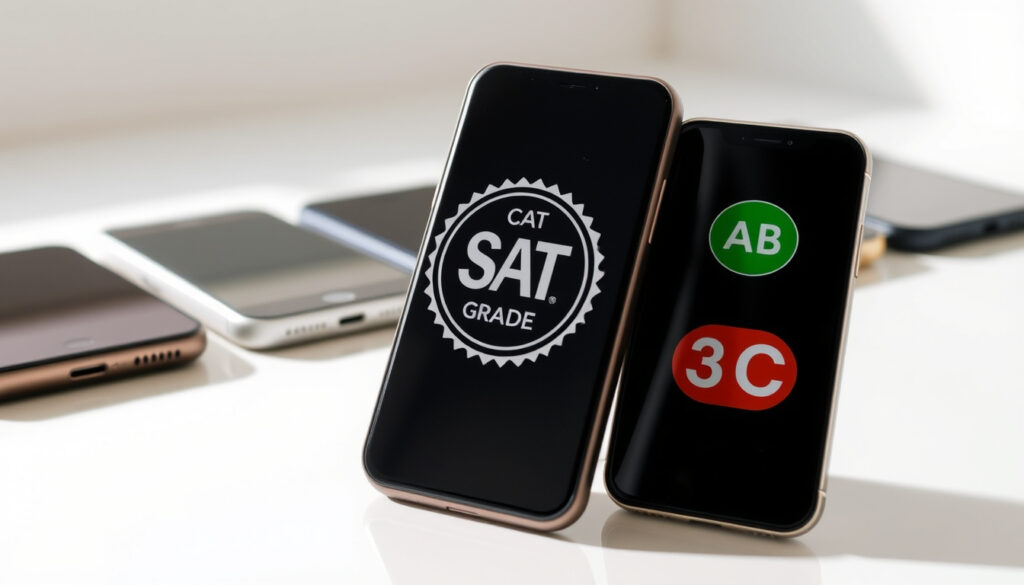
What Does CAT S Mean – Guide to Refurbished Phone Grades
When browsing refurbished phones in the UK, encountering the term CAT S can create confusion. This designation appears alongside familiar grades like A, B, and C, yet it operates under different criteria. Understanding what CAT S means helps buyers make informed decisions and avoid unexpected surprises upon delivery.
The CAT S classification specifically refers to devices where screen damage has been identified, while the remaining body condition may meet higher standards. Major UK sellers use this label to distinguish phones that function perfectly but carry visible screen imperfections. This guide explains exactly what CAT S means, how it compares to other grades, and whether these devices represent good value.
Phone grading systems in the UK have evolved primarily around cosmetic condition rather than functionality. Sellers assess devices across multiple criteria including screen quality, body condition, scratches, and battery health. CAT S emerges as a specialized designation within this ecosystem, particularly prominent among larger refurbishment retailers.
What Does CAT S Mean on a Refurbished Phone?
CAT S stands for “Category S” and refers to phones classified with screen damage. Unlike standard grades A through C, which evaluate overall cosmetic appearance, CAT S specifically flags devices where screen scratches, cracks, or display issues have been identified. The body of a CAT S phone may be in excellent or near-mint condition, but the screen requires attention.
Key Insights About CAT S
- CAT S devices are fully functional but carry visible screen imperfections
- The designation originated from larger UK refurbishment sellers like MusicMagpie
- Screen damage typically includes scratches, scuffs, or minor cracks affecting aesthetics only
- Body condition in CAT S phones often matches Grade A or Grade B standards
- Functionality is verified through professional testing before listing
- Price savings make CAT S attractive for users who apply screen protectors or cases
- Return policies and warranties still apply, reducing buyer risk
Standard UK Refurbished Phone Grades Explained
| Grade | Cosmetic Condition | Screen Typical | Body Typical | Price Level | Best For |
|---|---|---|---|---|---|
| A | Near-mint, minimal or no wear | Pristine, no scratches | Excellent, no marks | Highest refurbished | Like-new feel, gifting |
| B | Light scratches or scuffs | Faint scratches visible up close | Minor marks, no dents | Mid-range | Value buyers |
| C | Noticeable wear | Visible scratches, possible issues | Dents, scuffs | Lowest | Budget, backups |
| CAT S | Body often Grade A or B | Screen scratches or damage | Excellent condition | Discounted | Function-first users |
Grading terminology varies between sellers. Some use CAT S alongside A-B-C grades, while others incorporate screen damage into their C-grade category. Always review the specific seller’s condition criteria before purchasing.
CAT S vs Other Phone Grades: Key Differences
Understanding how CAT S compares to standard grades helps buyers set appropriate expectations. The fundamental difference lies in how damage is categorized: traditional grades assess overall appearance, while CAT S isolates screen condition as the defining factor.
CAT S vs CAT A
CAT A represents the highest quality refurbished designation. These phones appear indistinguishable from new devices, with no visible scratches, marks, or wear on screen or body. CAT A devices command the highest refurbished prices but offer peace of mind regarding appearance. CAT S devices typically cost 20-40% less while sharing similar body quality in many cases.
The critical distinction involves screen condition. A CAT A phone has a flawless display, while a CAT S phone carries visible screen damage. If screen appearance matters to you, the price difference may not justify choosing CAT S despite the savings.
CAT S vs CAT B
CAT B phones show light scratches or scuffs visible upon close inspection. The screen may have faint marks not felt when touching the display. Body condition shows minor marks without dents. CAT S occupies a different category entirely: the body may rival CAT A quality, but screen damage disqualifies it from standard grading systems.
Buyers choosing between CAT S and CAT B should weigh priorities. CAT B offers better screen condition with acceptable body wear. CAT S provides superior body quality but compromised display aesthetics. Consider whether a case or screen protector would mask the body wear in CAT B versus the screen damage in CAT S.
How Screen Damage Affects Grading
Higher grades explicitly exclude screen damage. Grade A and Grade B listings must have screens free from cracks, deep scratches, or touch issues. Light micro-scratches may appear in Grade B if they cannot be felt during normal use, but anything beyond this threshold relegates the device to lower grades or specialized categories like CAT S.
Sellers often provide close-up photographs showing screens both powered on and off. Some devices may have screen protectors already applied, which can mask minor damage. Review all available images carefully and note descriptions mentioning applied screen protectors, as these may hide imperfections.
When evaluating CAT S phones, request photos showing the screen under direct lighting. This reveals the full extent of scratches or marks that might appear minor in product catalog images. Sellers like MusicMagpie provide detailed condition photos that help buyers assess actual device state.
Is a CAT S Phone Worth Buying?
The value proposition of CAT S phones depends heavily on individual circumstances. These devices offer significant savings while maintaining full functionality, making them attractive for budget-conscious buyers. However, certain factors determine whether CAT S represents a sound purchase decision.
When CAT S Makes Sense
CAT S phones become worthwhile when you prioritize function over aesthetics. Users who immediately apply screen protectors or cases eliminate the visual drawback entirely. Budget buyers seeking flagship-level performance at reduced prices benefit most from CAT S pricing. These devices also suit secondary phones, backup devices, or gifts where the recipient may not notice screen condition.
Savings of £50-150 compared to equivalent Grade A devices make CAT S appealing. For premium models where new prices exceed £800, CAT S discounts can reach £200 or more. When combined with warranty coverage, the reduced risk makes these phones viable daily drivers for many users.
When to Avoid CAT S
CAT S phones warrant avoidance in specific situations. AMOLED screens with visible scratches face burn-in risk over time, making screen damage more problematic than LCD alternatives. Premium flagship devices where repair costs approach the price difference between CAT S and higher grades demand careful calculation. Buyers expecting pristine appearance or gifting devices should select Grade A or B instead.
Some sellers do not offer the same warranty depth on CAT S devices. Review return policies and coverage terms before purchasing. If the seller does not provide adequate protection, the savings may not justify increased risk.
When purchasing CAT S flagship phones from brands like Apple or Samsung, factor in potential repair costs. Screen replacement for modern smartphones can cost £100-250. If screen damage is severe, repair costs may exceed the CAT S discount, making higher grades more economical overall.
Evaluating CAT S Value
- Calculate total savings versus equivalent Grade A or B devices
- Research screen replacement costs for your specific model
- Verify warranty and return policy terms
- Confirm you will use a case or screen protector
- Assess whether screen damage affects daily usability
- Compare seller reputations through platforms like Trustpilot
What Does a CAT S Condition Look Like?
CAT S condition varies by seller and device history, but certain characteristics define this grade consistently. Understanding what to expect helps buyers prepare for delivery and assess whether the discount matches actual condition.
Typical Screen Appearance
Screen damage in CAT S devices ranges from light scratches visible under direct lighting to more obvious marks noticeable during regular use. Some devices show micro-scratches accumulated from regular use, while others may have deeper scratches from keys or coins left in pockets. In most cases, the screen remains fully functional with no dead pixels, flickering, or touch sensitivity issues.
Visible marks that do not impact display performance include light scuffs, hairline scratches, and general wear patterns. Cracks, significant scratches affecting visibility, or touch malfunction would typically exclude a device from CAT S or require additional classification notes.
Body Condition Standards
The defining characteristic of CAT S phones involves body condition often matching higher grades. Many CAT S devices have bodies rated Grade A or Grade B, meaning minimal scratches, marks, or dents on the frame, back panel, and edges. The discrepancy between pristine body and damaged screen creates the unique value proposition CAT S represents.
This body-screen disparity occurs because phones frequently suffer screen damage without corresponding body wear. A dropped device may crack the screen while leaving the case unmarked. Similarly, keys in pockets may scratch the display without affecting the body. These scenarios create CAT S candidates: functional devices with isolated screen damage.
Repair Possibilities
CAT S phones can potentially be repaired by replacing the screen assembly. Third-party repair services offer screen replacements for most smartphone models at various price points. However, repair costs vary significantly by manufacturer, with Apple and Samsung premium devices commanding higher prices than mid-range alternatives.
Before purchasing a CAT S device specifically for repair, calculate total investment: CAT S price plus repair costs. Compare this sum against equivalent Grade A or B devices to determine whether repair represents good value. In many cases, purchasing a higher grade without screen damage costs less than combining a CAT S discount with professional repair.
Professional screen repair on CAT S devices may void manufacturer warranties or affect water resistance ratings. If device longevity and warranty protection matter to you, consider whether the CAT S discount justifies these trade-offs or whether a higher graded device serves your needs better.
Understanding Grade Certainty and Seller Variation
Phone grading systems lack universal standardization across UK sellers. Each refurbishment company applies its own criteria, creating variation that buyers must navigate carefully. Understanding what is established versus what varies helps set realistic expectations.
- CAT S designates screen damage as primary classification
- Body condition often exceeds screen condition
- Functionality is tested and verified
- Savings range from 20-40% versus equivalent grades
- Warranty coverage typically applies to CAT S devices
- Specific screen damage thresholds and definitions
- Whether CAT S stands alone or alongside A-B-C grades
- Warranty duration and terms for CAT S devices
- Photo documentation standards and availability
- Return policy flexibility for cosmetic concerns
Buyers should never assume identical criteria between sellers. A CAT S listing from one company might describe conditions different from another. Review each seller’s grading explanations, examine available photographs thoroughly, and contact customer service when descriptions lack clarity. For guidance on evaluating financial decisions when purchasing tech, see the How to Invest Money – Low-Risk Guide for Beginners.
The Context Behind CAT S and UK Refurbishment Standards
The CAT S designation emerged within the broader context of UK consumer electronics refurbishment. As smartphone prices increased throughout the 2010s, refurbished device markets expanded significantly. Sellers developed increasingly granular grading systems to accommodate diverse buyer preferences and maximize device resale value.
Traditional grading focused on cosmetic appearance across all surfaces. However, buyers and sellers recognized that screen damage represented a specific concern distinct from body wear. Some customers prioritised body aesthetics but accepted screen wear, while others wanted perfect displays regardless of body condition. CAT S emerged as a classification serving the first preference.
UK consumer protection law requires sellers to accurately describe product condition. This regulatory framework encourages detailed grading explanations and photograph documentation. Buyers experiencing misrepresentation can access remedies through the Citizens Advice service or Trading Standards, adding protection beyond seller policies.
- UK refurbished smartphone market has grown substantially, with major retailers like MusicMagpie and CEX establishing grading standards
- Consumer awareness of grading systems has increased, driving demand for transparent condition reporting
- Online platforms and comparison tools help buyers evaluate offers across multiple sellers
- Environmental concerns have boosted refurbished appeal, with buyers seeking sustainable alternatives to new purchases
What Reputable Sources Say About CAT S
“CAT S specifically indicates screen damage while other grades evaluate overall appearance. This category serves buyers who prioritise body condition and plan to use protective cases anyway.”
Consumer advocacy organisation Which? provides guidance on purchasing refurbished devices, emphasising the importance of understanding grading terminology before committing to purchase. Their recommendations encourage buyers to verify warranty coverage and document device condition upon arrival.
UK government consumer protection resources confirm buyers’ rights when purchasing refurbished electronics. Under the Consumer Rights Act 2015, goods must match description, be of satisfactory quality, and last for a reasonable time. These protections apply regardless of grade designation, providing recourse if CAT S devices arrive with undisclosed issues.
Review platforms such as Trustpilot offer insight into seller reliability and customer experiences with CAT S purchases. Patterns in reviews regarding condition accuracy, warranty claims, and return experiences help identify trustworthy sellers versus those whose CAT S descriptions may lack accuracy.
- Which? Refurbished Phones Guide – Consumer advocacy perspective on grading systems
- UK Government Consumer Rights – Official guidance on purchasing protections
- Trustpilot Reviews – Customer experiences with major UK refurbishment sellers
Summary: Making an Informed CAT S Purchase
CAT S represents a legitimate category within UK refurbished phone grading systems, specifically identifying devices with screen damage while often maintaining higher body quality. These phones offer meaningful savings—typically 20-40% below equivalent grades—while delivering full functionality when properly tested and warranted.
Whether CAT S represents good value depends on individual priorities. Budget-conscious buyers who use protective cases and screen protectors maximise CAT S advantages. Those requiring flawless displays or purchasing as gifts should consider higher grades. Calculating total investment including potential repair costs ensures informed decisions.
Always verify seller grading criteria, warranty coverage, and return policies before purchasing. Grading systems lack universal standardization, making seller-specific research essential. Resources like consumer protection guides and review platforms provide additional context for decision-making. For related guidance on career advancement that might support future device purchases, explore the How to Write a CV – Step-by-Step Guide.
Frequently Asked Questions
What does CAT A mean on a refurbished phone?
CAT A represents the highest refurbished grade, indicating a phone in near-mint condition with no visible scratches, marks, or wear on either screen or body. These devices appear almost indistinguishable from new and command the highest refurbished prices.
Are CAT S phones refurbished?
Yes, CAT S phones undergo professional refurbishment including functionality testing. Unlike damaged new devices, CAT S phones are verified working before listing, though cosmetic screen issues remain.
Can I return a CAT S phone if the condition is worse than expected?
Return policies vary by seller. Major UK retailers typically offer 14-30 day return windows, but eligibility may depend on whether the device matches the listed description. Always review return terms before purchasing.
Is CAT S the worst grade for refurbished phones?
Not necessarily. CAT S focuses on screen damage while often maintaining excellent body condition. Grade C devices, by contrast, may show wear across both screen and body. CAT S quality depends on the specific seller’s criteria and the actual device condition.
How much cheaper is a CAT S phone compared to CAT A?
CAT S phones typically cost 20-40% less than equivalent CAT A devices. Savings vary by seller, device model, and severity of screen damage. Premium flagship phones often show larger absolute savings than mid-range devices.
Do CAT S phones come with warranties?
Most reputable UK sellers include warranties on CAT S devices, though warranty duration may differ from higher grades. Verify warranty terms before purchasing to understand coverage scope and claim procedures.
Can CAT S phones have AMOLED screen burn-in?
CAT S phones with visible scratches or marks are distinct from burn-in, which affects display uniformity. However, AMOLED screens with existing damage may face increased burn-in risk over time compared to pristine displays.
More related posts
 Shaun Wright-Phillips – Career Stats Family Legacy
 Lucy Punch Movies and TV Shows: Full List & Career Guide
 Curtis Jones Salary 2025: Contract, Ethnicity, and Personal Life
 Spain National Football Team: History, Top Players & FAQ
 What Is LVT Flooring? Guide, Pros/Cons & Comparisons
 Can Dogs Eat Coconut – Safety, Benefits, Risks and Feeding Guide
 Who Won the Ballon d’Or 2025? Ousmane Dembélé Wins
 72 kg in Stone and Pounds: NHS Charts and Converter